
-

Welcome to AIIA Insights
This is the inaugural post of our new blog dedicated to sharing the ongoing explorations and work of our new directorate of AI and Ideas Adoption. We’ve been doing some soul searching recently over the the changing nature of our roles in an AI-enabled world, thinking about the need to acquire new knowledge and skills…
-
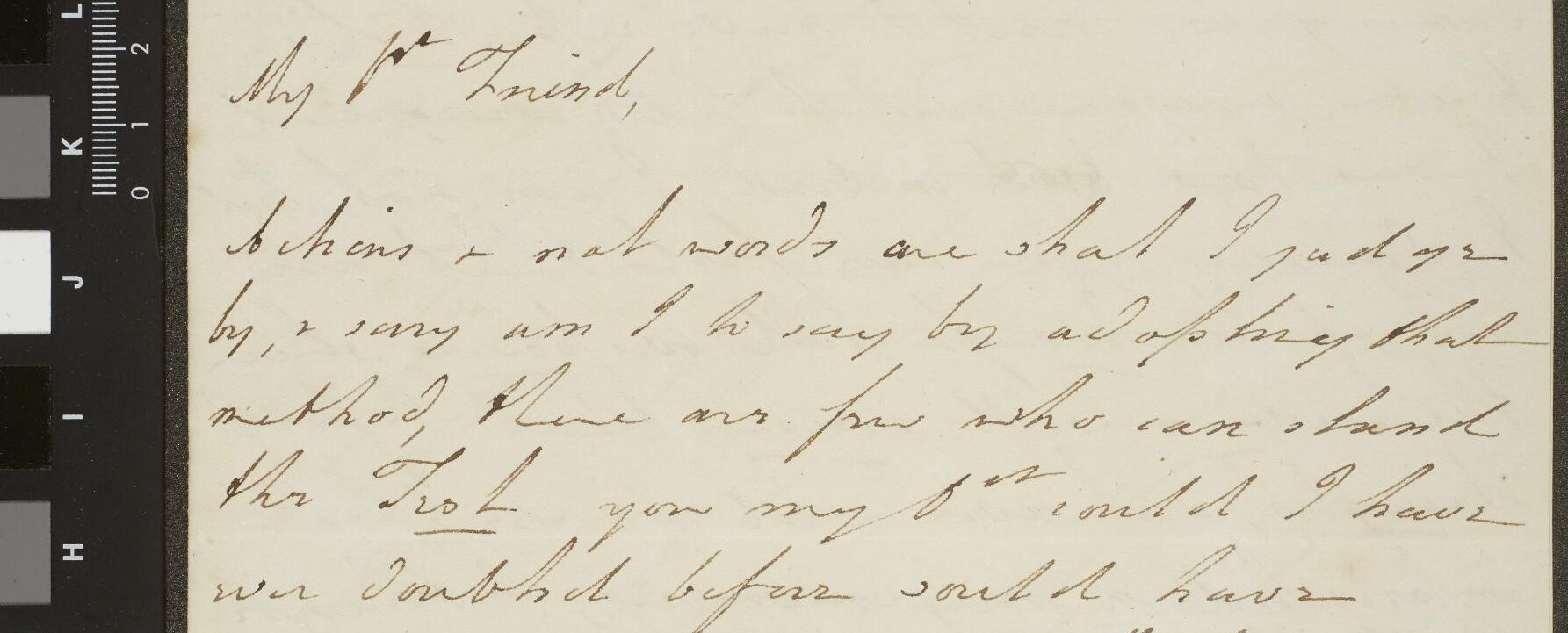
Converting conversations
Fine tuning LLMs to transcribe handwritten letters The Mary Hamilton Collection within Manchester Digital Collections is a vast treasure trove of handwritten letters between Hamilton and her various peers, friends, family and associates. A popular and well-liked lady, living around the end of the 18th century, she conversed through writing prolifically; she was someone we…
-
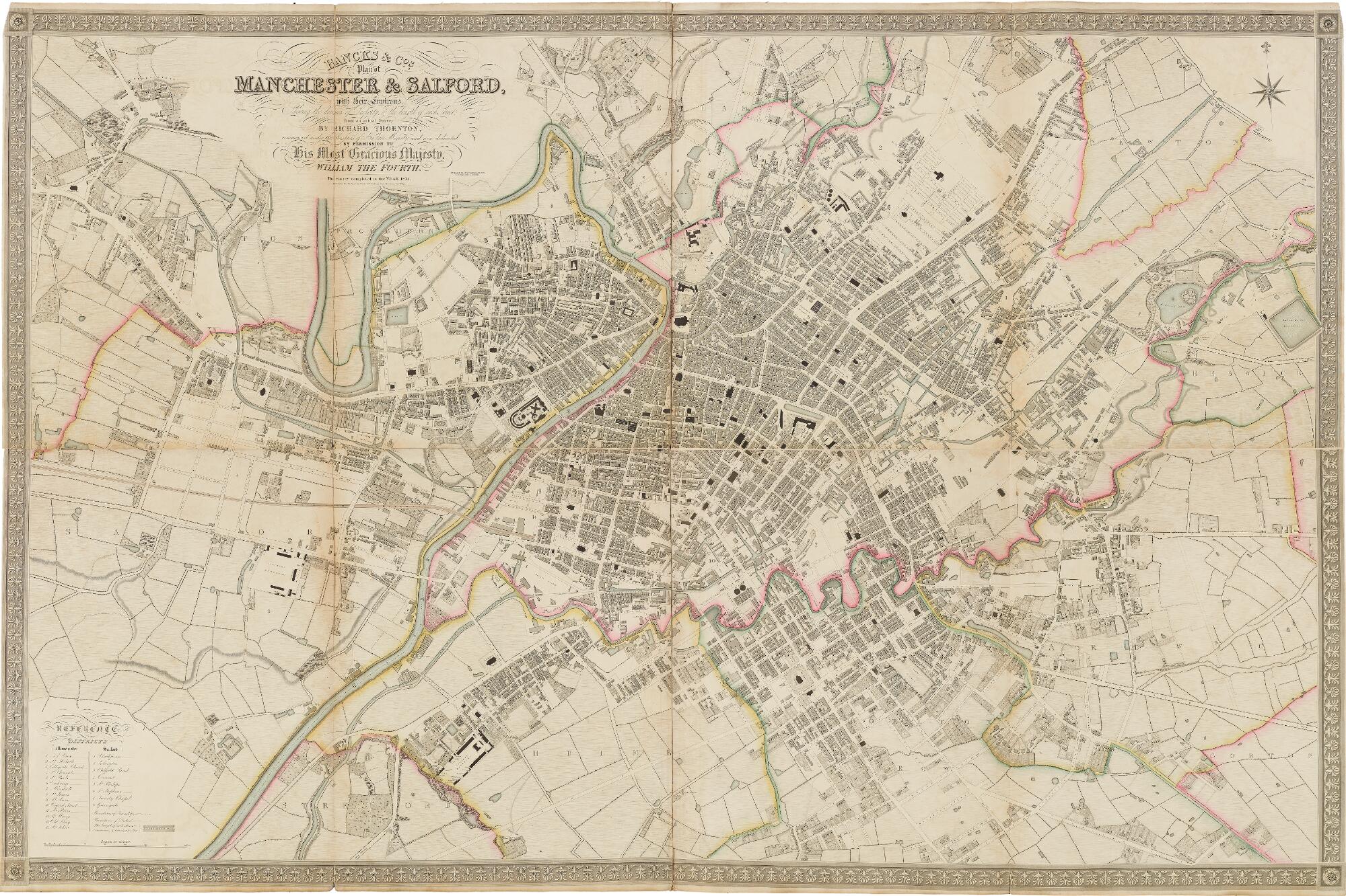
Shared Solutions: A Collaborative Approach to Digital Usability
Act I: The Power of Partners The value of collaboration is often promoted in higher education but successfully achieving it can be a real challenge. Distinct systems, priorities, and institutional cultures often make working together less attractive than working alone. In early 2024, a call from Academic Libraries North (ALN) for Equality, Diversity, and Inclusion…
-

XML Coding with AI, Episode 3: Return of the AI
This blog post discusses the author’s integration of AI, specifically a custom GPT termed the EAD XML Architect, into XML coding for cataloguing. The author emphasizes the advantages of AI in ensuring accuracy, identifying links in data, suggesting improvements in written work, and serving as an effective final draft editor despite its inconsistencies.
-
XML Coding with AI, Episode 2: The Hallucinations Strike Back
This blog post discusses the challenges faced while using generative AI for XML cataloguing, particularly the issue of ‘hallucinations’ where AI fabricates information. Despite initial success, the AI generated errors and unreliable outputs when processing large datasets. The author shares strategies to improve output accuracy and emphasizes the need for vigilance in verifying AI-generated data.
-

XML Coding with AI, Episode 1: A New Hope
At the University of Manchester Library, the process of creating XML files for archives is labor-intensive and context-dependent. The author explores using AI tools, particularly ChatGPT, to automate and improve this task. Initial tests show promise, significantly reducing the time to generate usable XML files, though challenges remain.
-

Augmenting visuals with integrity: Exploring generative AI in our digital communications
As part of our ongoing AI experimentation in 2024 within digital communications, you may have noticed we’ve been exploring the use of AI-driven image enhancement tools—specifically Adobe Photoshop’s generative AI features, such as Content-Aware Fill and Generative Expand. Our aim has been to enhance existing Library images in subtle but effective ways that enhance the…
-
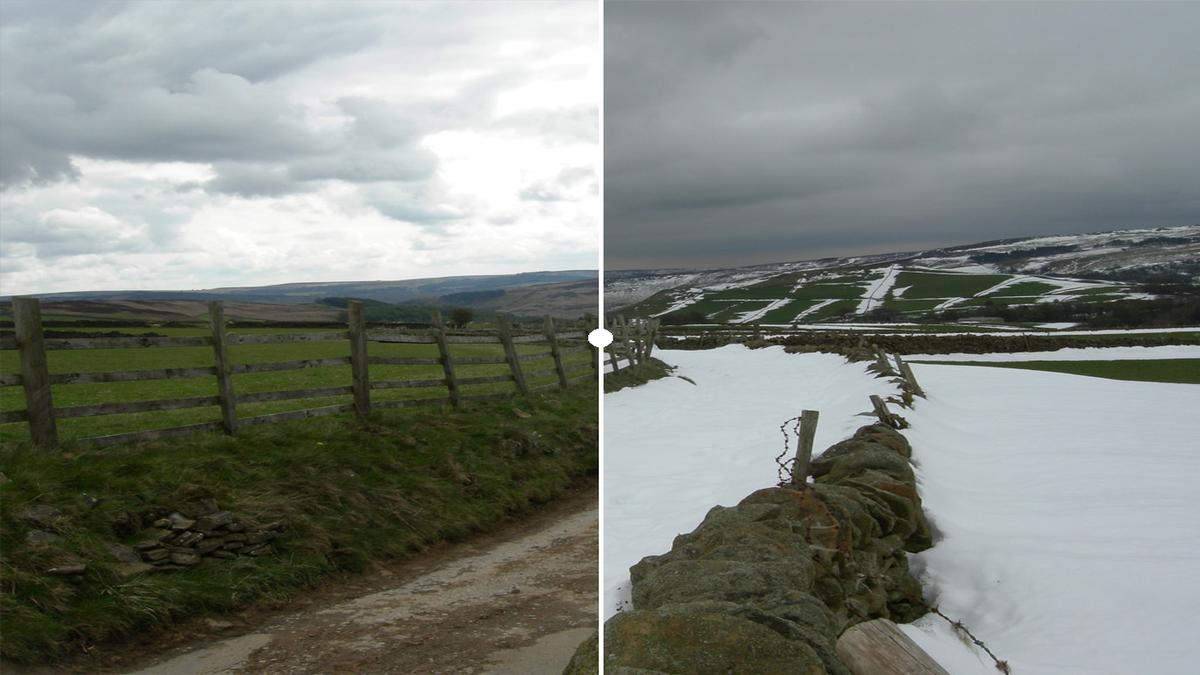
Seeing Change: An Embeddable Image Comparison Tool
What if you could visually compare two images, whether taken years apart, captured from different angles, or reflecting different stages of a process and instantly reveal their differences? That’s exactly what we set out to enable in collaboration with the Oxford Visual Geometry Group (VGG).
-
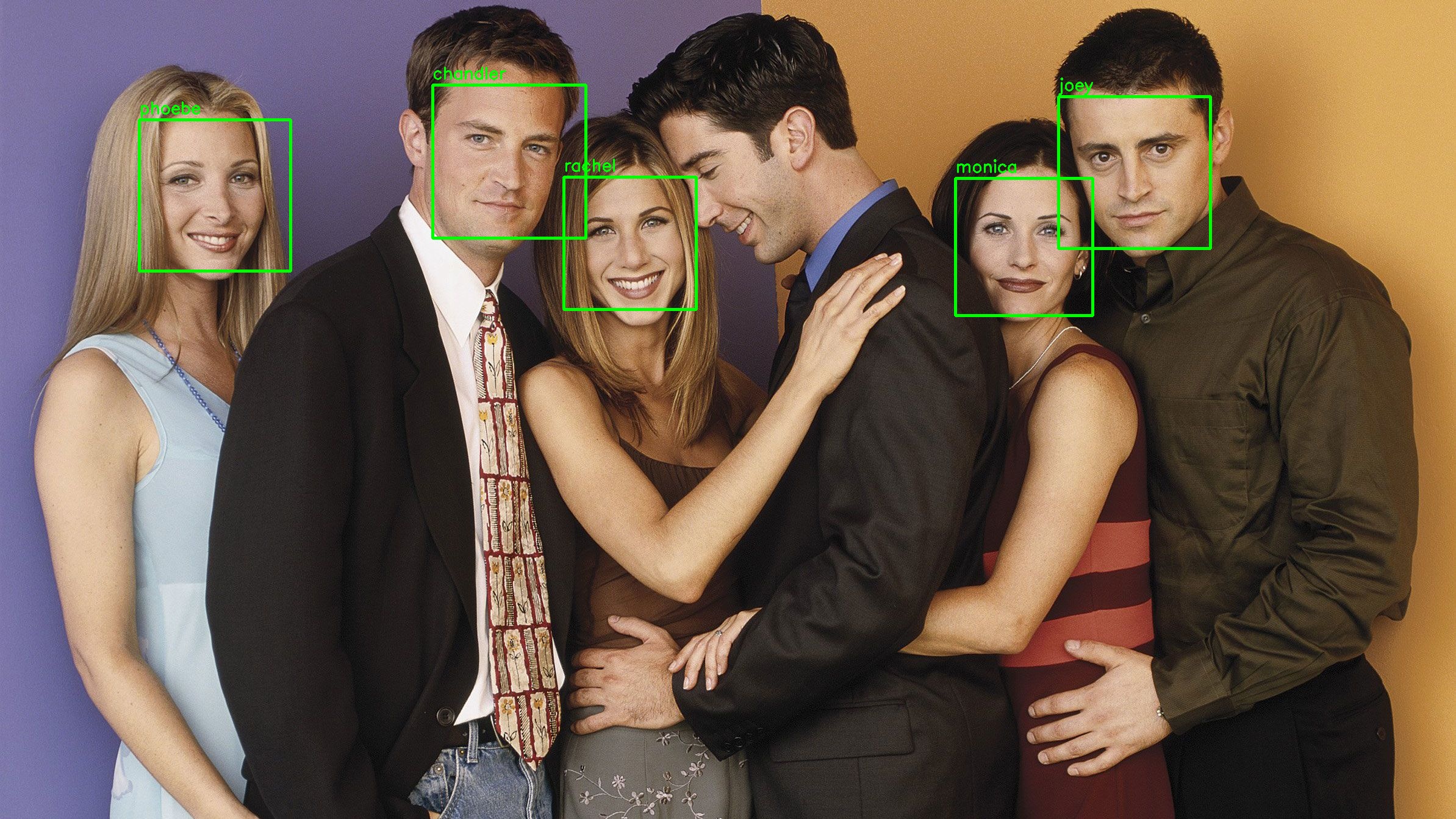
Exploring metadata creation for early photographs with ChatGPT and DeepFace
The task Following our previous experiments with AI and images we were interested to see whether ChatGPT could be applied to a real world problem. The Langford Brooke Glass Plate Negatives collection consists of around 1000 digitised images which need to be described with metadata. Could ChatGPT assist us with this task, creating tailored descriptions…
-

Improving video accessibility with Whisper AI
Transcribing video content is an essential part of ensuring accessibility, but anyone who’s tried it knows that it’s not straightforward. While accessibility is a non-negotiable from both a compliance and values perspective, creating quality subtitles can be incredibly time-consuming and frustrating. In 2025, you may have noticed we’ve started experimenting with live subtitles during our…
-

Don’t Overthink It: Automate the Mundane with Simple RPA
What is Robotic Process Automation (RPA) Anyway? RPA is essentially software that mimics human actions on a computer. It can navigate the internet, navigate desktop applications (such as Excel or Word), enter data, copy and paste information, execute mouse clicks and follow specific rules – just like you would. But unlike you, it can do…
Disclaimer / Data Protection / Copyright notice / Web accessibility statement / Freedom of information / Charitable status / Royal Charter Number: RC000797